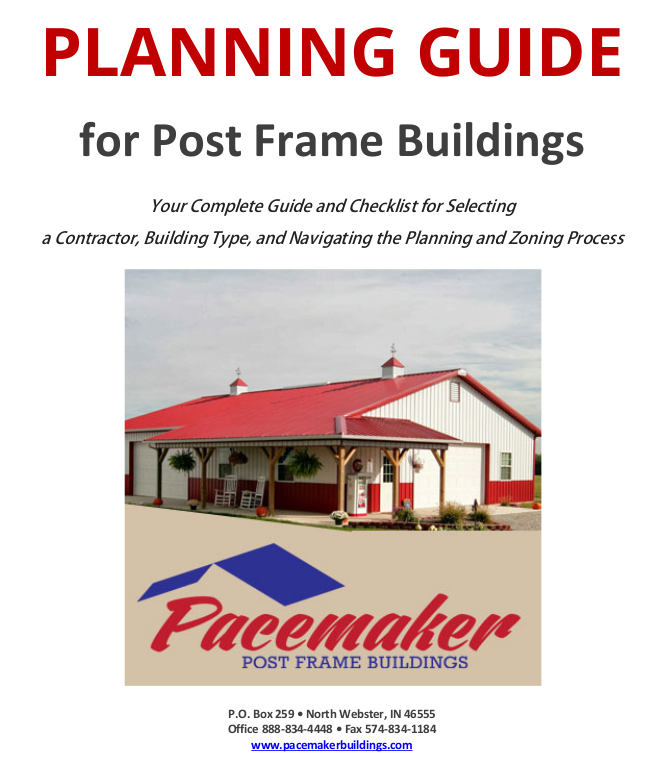
For decades, the image of a post frame building has been synonymous with the classic red barn—a structure used solely for agricultural storage. While post frame construction remains the backbone of the farming industry, its evolution in design, engineering, and materials has propelled it far beyond the field. Today, modern post frame construction is rapidly becoming the superior choice for a vast range of commercial, industrial, and specialized building applications.
The Evolution: Engineered for the Modern Age
The shift from a simple pole barn to a sophisticated commercial structure is rooted in engineering. Modern post frame buildings are designed using precise structural analysis and high-quality, engineered materials.
- Superior Structure: Unlike traditional stick-built structures, the foundation relies on large, laminated wood columns (posts) set deep into the ground or anchored to a slab. This transfers the load directly to the subsurface, eliminating the need for a continuous perimeter foundation and making the structure exceptionally resistant to high winds, seismic activity, and heavy snow loads.
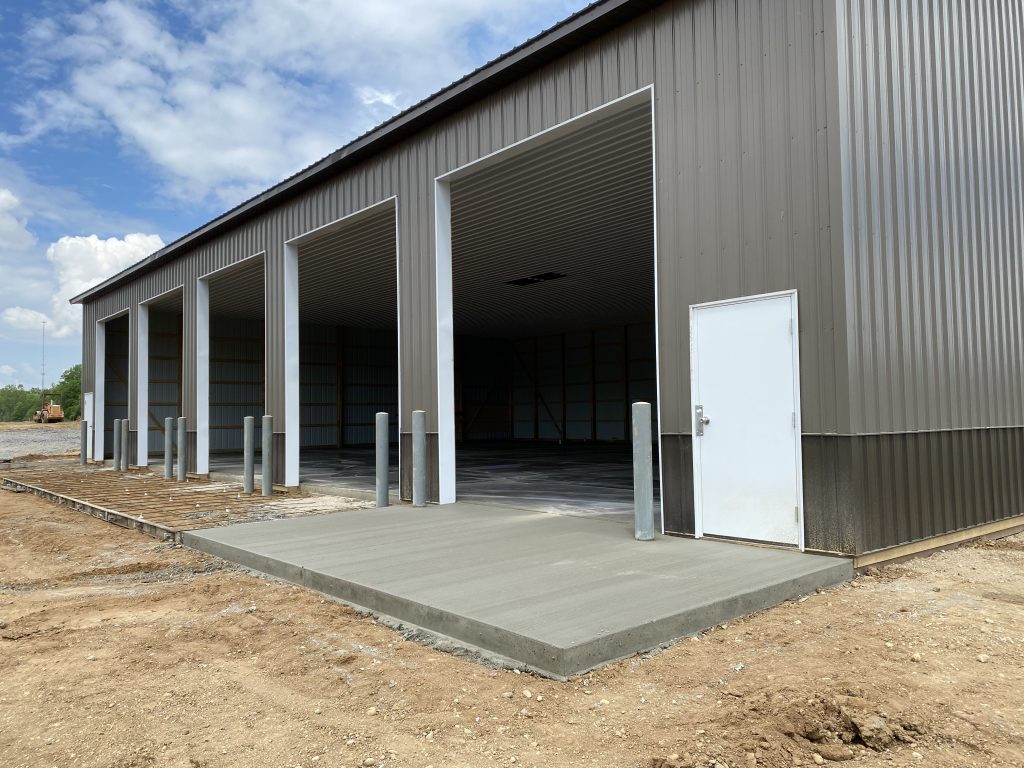
- Massive Clear Spans: The primary advantage for commercial use is the ability to create vast, unobstructed interior spaces without the need for load-bearing interior walls or support columns. This allows for clear spans exceeding 80 feet, making these buildings ideal for warehousing, manufacturing, and housing large machinery.
Versatility: From Retail to Robotics
The modern post frame building can be customized with virtually any exterior finish and interior layout, making it suitable for applications that demand both function and aesthetics.
- Commercial Retail & Office: With finishes like stucco, brick veneer, or sleek metal panels, post frame buildings easily integrate into commercial districts. They are used for auto dealerships, retail stores, medical offices, and even restaurants, offering open layouts that are simple to customize with drywall, HVAC, and modern electrical systems.
- Industrial Workshops & Manufacturing: The durability and clear-span capability are critical here. These buildings can house heavy-duty machinery, vehicle maintenance bays, welding shops, and climate-controlled fabrication areas. The ease of running utilities through the open wall cavities simplifies the installation of complex industrial equipment.
- Specialized Facilities: The inherent structural strength makes post frame perfect for specialized uses like aircraft hangars, fire stations, community centers, and even self-storage facilities, where durability and a large footprint are non-negotiable requirements.
The Commercial Advantage: Why Businesses Choose Post Frame
For developers and business owners, the choice of post frame is a strategic financial decision that directly impacts the bottom line.
- Speed of Construction: Post frame construction has a significantly shorter build time compared to traditional methods. The prefabricated components and simplified foundation mean the building is functional sooner, allowing the business to begin operations and generate revenue faster.
- Cost Efficiency: Less complex site preparation, reduced labor hours, and efficient material usage translate into lower initial construction costs. Furthermore, the thick wall cavities of post frame construction provide ample space for superior insulation, leading to lower utility bills and significant long-term energy savings.
- Adaptability for Growth: As a business expands, post frame structures can be easily and affordably modified. Extending the length of the building is often a straightforward process, providing a flexible foundation for future growth without the need for an expensive, entirely new build.
The modern post frame building has shed its historical image and emerged as a versatile, durable, and economically sound solution. It is a powerful structural choice that provides the flexibility and cost savings necessary for today’s commercial and industrial demands. Contact Pacemaker Buildings today to start the conversation.